GS1 augmented QR Code: prepare your product data before your next requests from large retailers

GTIN, structured links, regulatory information, batches, printing, e-commerce: vin.co helps wine houses, cooperatives and négociants stay in control of their QR codes over the long term.

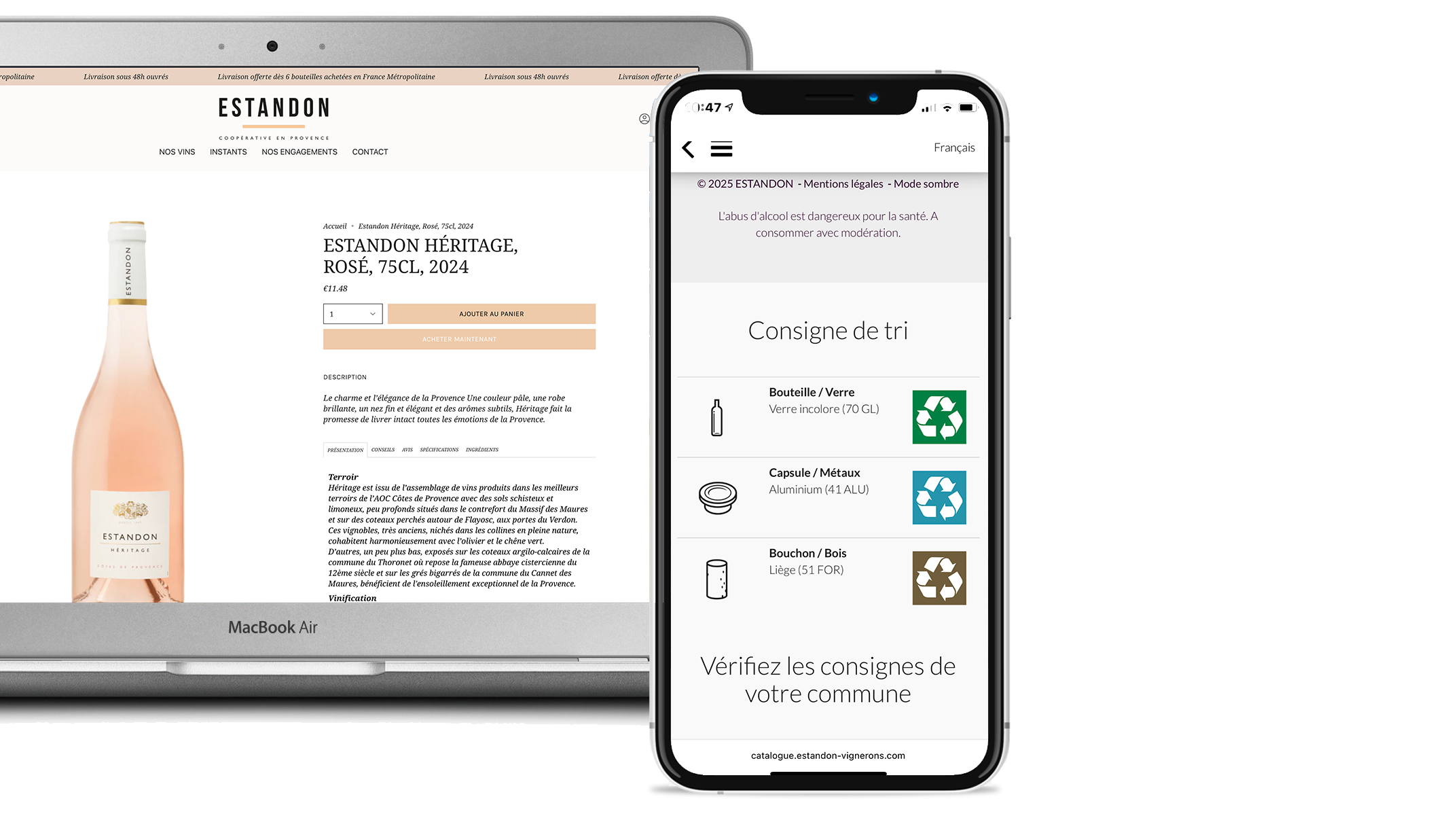
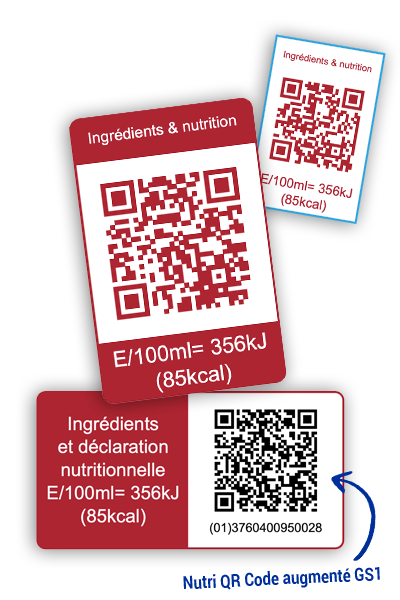
Exemple de QR Code produit vin.co

The point is not to "make a QR code"

Anyone can generate a QR code. With the GS1 augmented QR Code, the real challenge is different: you need to structure product data correctly, control destination URLs, manage the right flows depending on the use and avoid locking yourself in for the future.

For wine houses, cooperatives and négociants, the topic becomes concrete with the expectations of large retailers, the scanning of 2D codes at the point of sale by 2027, retailer requests and printing constraints.

The QR code is only the front end. The real strength lies in the data. vin.co helps you centralize your product information, generate structured links, publish the right data and keep destinations editable over time.
Why this topic involves quality, production and sales

Quality

Make the information you share reliable: ingredients, nutrition, allergens, compliance, consistency between the label, the landing page and the market concerned.

Production

Anticipate printing constraints, batch variants, label designs, formats and specifications specific to customers or markets.

Sales / Order management

Respond quickly to requests from large retailers, importers, distributors and B2B partners with reliable, reusable information.

What exactly are we talking about with a GS1 augmented QR Code?

A GTIN to identify the product

The product must be correctly identified. The GTIN becomes the foundation of identification, from which product information can be used by the various players in the value chain.

A GS1 Digital Link URI to structure the link

The link is not just a standard URL to a web page. It follows a structured logic, able to include elements such as the GTIN, the batch, the serial number or product variants depending on the use case.

A controlled, editable destination

What is printed must remain stable. What can change — regulatory page, product content, market-specific information, recycling instructions, e-commerce — must remain manageable over time.

One symbol, several possible readings

Depending on the context, the GS1 augmented QR Code can be used for product identification, consumer access, compliance, the distributor relationship or more advanced traceability scenarios.

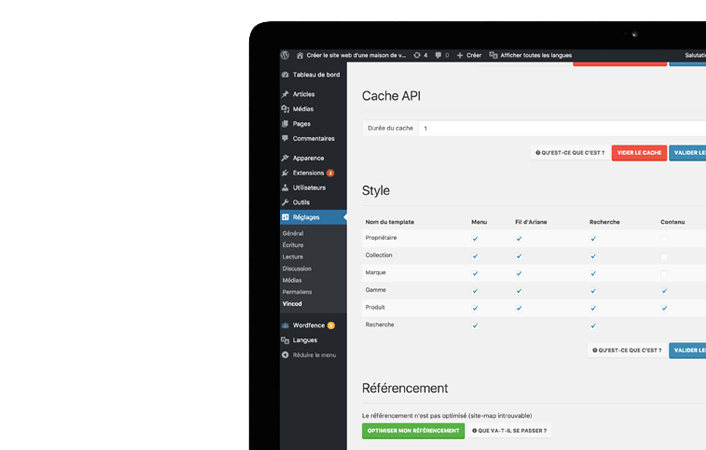
vin.co interface for structuring product data linked to the GS1 augmented QR Code

Why is vin.co particularly relevant for the wine industry?

vin.co does not approach the GS1 augmented QR Code as a simple marking issue. We approach it as a matter of product data, compliance and multichannel distribution, with business expertise dedicated to wine and spirits.

1. A product database designed for wine and spirits

Cuvées, vintages, formats, markets, languages, label designs, ingredients, nutrition, recycling instructions, visuals, technical sheets: vin.co structures the information you actually need to make a GS1 QR Code usable over the long term.

2. An interoperability approach, not just a link

We help you prepare consistent, governed content so that the GS1 augmented QR Code serves distribution, compliance, consumer relationship and sales activation needs alike.

3. A pragmatic implementation for complex organizations

Large wine houses, cooperatives, négociants, multi-brand or multi-market organizations: vin.co lets you move forward step by step, without overhauling everything already in place, while keeping a clear path toward the GS1 standard.

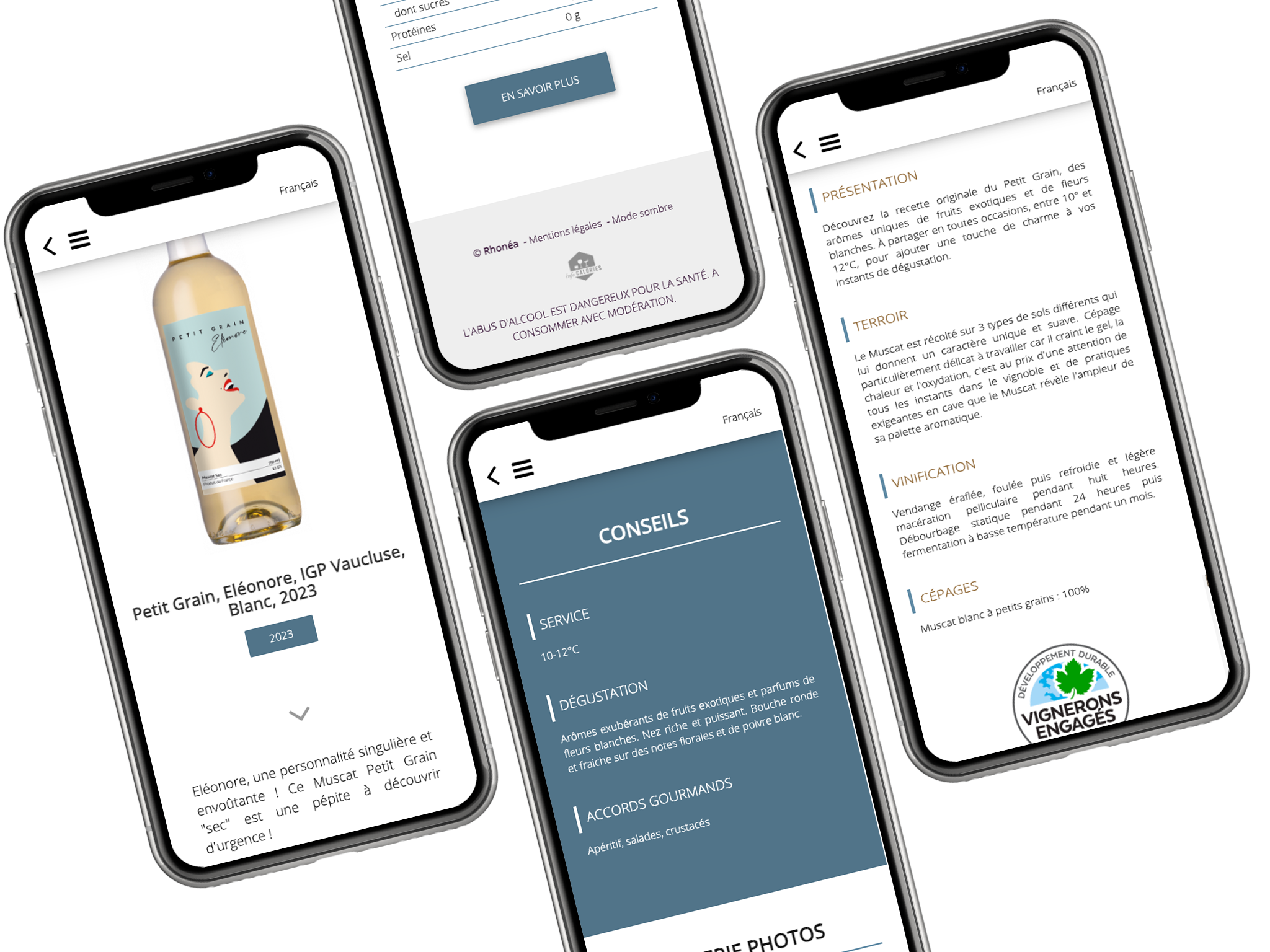
Présentation enrichie d'un produit vin via QR Code augmenté GS1

How vin.co helps you stay in control

  • Structuring the product repository to prepare consistent identifiers and content
  • Managing the product pages linked to the QR Code to share the right information depending on the context
  • Publishing regulatory information: ingredients, nutrition, recycling instructions, useful statements
  • Multilingual distribution for export markets and international browsing
  • Marketing the product: storytelling, visuals, pairings, awards, useful links
  • Connecting to digital channels: e-commerce, technical sheets, sales tools, B2B partners

Our conviction: applying a standard is not enough. You still need to use it in your real cases: printing, listings, e-commerce, large retail, export, marketing and consumer relationship.

What large wine houses, cooperatives and négociants are looking for

Be ready for the expectations of large retailers

The GS1 augmented QR Code is above all a matter of alignment with the retail ecosystem. Those who anticipate today give themselves the means to be smoother tomorrow in their exchanges and operations.

Avoid multiplying tools and re-entry

The right approach is to rely on a centralized product database, able to feed several uses from a single source of truth.

Stay in control of your brand image

Adopting a standard should not erase your identity. vin.co helps you reconcile GS1 interoperability, business requirements and brand consistency.

QR Code augmenté GS1 et information produit vin.co

Want to prepare your GS1 augmented QR Code strategy?

Talk to a vin.co expert to assess your level of readiness, your business priorities and the most realistic path for your organization.

Talk to an expert

Frequently asked questions

The GS1 augmented QR Code is part of an identification and interoperability standard recognized by the GS1 ecosystem. It goes beyond a simple web link by relying on a structured product data logic, useful for retail, regulatory and consumer uses.

Because the topic already concerns changing practices in large retail and the preparation of information systems. The earlier a company anticipates, the more calmly it can structure its product data and avoid rushed adjustments later.

No. vin.co helps structure data, organize content, publish the right information and connect the QR Code to your regulatory, marketing, sales and digital uses.

In practice, the transition is prepared gradually. The challenge for companies is to build today a product database and information governance compatible with the future uses the market expects.

A standard QR code usually points to a URL. A GS1 augmented QR Code relies on a standardized structure, notably around the GTIN and GS1 Digital Link, to make product information usable in several contexts: smartphone scanning, large retail, product identification, compliance, consumer relationship or more advanced scenarios.

A GS1 Digital Link is a structured URI that associates a product identifier, such as the GTIN, with digital information. Depending on the case, it can include additional information such as a batch, a product variant or a serial number. The goal is to link the physical product to reliable, updatable data that various players can use.

The transition to 2D codes is being prepared gradually. Depending on the distribution context and equipment levels, companies may need to manage a period of coexistence between current systems and new 2D codes. The challenge is therefore to prepare product data and the link architecture without waiting until the last minute.

The answer depends on the level of precision expected and the intended uses: compliance, large retail, traceability, printing, export markets or customer specifications. A house with simple flows can start with a product-based approach. A more structured organization may need variants by batch, market, recipient or printing scenario.

Because a printed QR code is a lasting commitment on the bottle, the label and the landing page. Before signing off the print proof, you must therefore check that the code scans correctly, that the URL is structured, that the destination is under control and that the system can evolve without unnecessary reprinting.

vin.co lets you centralize product data, structure useful information, generate QR codes and associated pages, manage regulatory and marketing content, and prepare systems adapted to retailers' specifications or listing requests.

Technically, some journeys can be combined, but it is not always recommended. In wine, we advise keeping uses separate: a plain, direct regulatory QR code, a product QR code for the brand experience, and possibly a promotional QR code for a campaign or a trade show.

The first step is to make the product repository reliable: GTIN, brands, cuvées, vintages, formats, markets, ingredients, nutrition, allergens, visuals, technical sheets and web destinations. It then becomes possible to define the right scenarios: simple GS1-compatible regulatory QR code, enriched product QR code, routing by market, e-commerce integration, API or print feeds.

For all companies in the wine and spirits industry that want to make structured progress on the GS1 augmented QR Code: large wine houses, cooperatives, négociants, multi-brand groups and organizations present in several markets.